


Page 50 - 23_EETE_03
P. 50
50 EE|Times EUROPE


         COMMUNICATIONS
        Key Technological Challenges Loom for 6G


        Development


        By Yu-Han Chang, IDTechEx
        A                                                                       companies have already begun 6G research
                  new telecom generation is expected to emerge every 10 years. Today,
                                                                                  Although a number of nations and major
                  we are seeing the commercialization of 5G, which promises faster
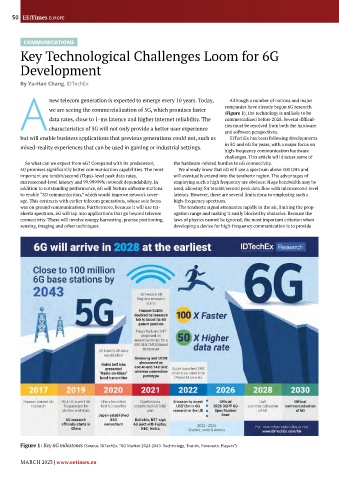
                                                                                (Figure 1), the technology is unlikely to be
                  data rates, close to 1-ms latency and higher internet reliability. The
                                                                                commercialized before 2028. Several difficul-
                                                                                ties must be resolved from both the hardware
                  characteristics of 5G will not only provide a better user experience
                                                                                and software perspectives.
        but will enable business applications that previous generations could not, such as   IDTechEx has been following developments
        mixed-reality experiences that can be used in gaming or industrial settings.  in 5G and 6G for years, with a major focus on
                                                                                high-frequency communication hardware
                                                                                challenges. This article will discuss some of
          So what can we expect from 6G? Compared with its predecessor,    the hardware-related hurdles to 6G connectivity.
        6G promises significantly better communication capabilities. The most   We already know that 6G will use a spectrum above 100 GHz and
        important are terabit/second (Tbps)-level peak data rates,    will eventually extend into the terahertz region. The advantages of
        microsecond-level latency and 99.99999% network dependability. In   employing such a high frequency are obvious: Huge bandwidth may be
        addition to outstanding performance, 6G will feature airborne stations   used, allowing for terabit/second peak data flow with microsecond-level
        to enable “3D communication,” which would improve network cover-  latency. However, there are several limitations to employing such a
        age. This contrasts with earlier telecom generations, whose sole focus   high-frequency spectrum.
        was on ground communications. Furthermore, because it will use ter-  The terahertz signal attenuates rapidly in the air, limiting the prop-
        ahertz spectrum, 6G will tap into applications that go beyond telecom   agation range and making it easily blocked by obstacles. Because the
        connectivity. These will involve energy harvesting, precise positioning,   laws of physics cannot be ignored, the most important criterion when
        sensing, imaging and other techniques.                developing a device for high-frequency communication is to provide


        Figure 1: Key 6G milestones (Source: IDTechEx, “6G Market 2023-2043: Technology, Trends, Forecasts, Players”)

        MARCH 2023 | www.eetimes.eu

